

Life After Cancer
Practical guidance for life during and after cancer
Evidence-based guidance and supportive tools to help you navigate life during and after cancer - at your own pace, in a way that feels right for you.
Why I created this program.
Cancer doesn’t just affect the body. It can touch every part of life - how you feel day-to-day, your relationships, and the way you care for yourself.
As a GP with a special interest in cancer survivorship, I’ve seen how many people finish treatment feeling unsure, alone, and without clear guidance on what comes next.
I created this program to help bridge that gap - offering evidence-based information, practical resources, and gentle encouragement to support your wellbeing across body, mind, and relationships.
Who this program may support

Life After Cancer may be helpful if you’re looking for guidance and reassurance as you move through life during or after cancer.
-
You're finishing or have recently completed treatment and feel uncertain about what comes next.
-
You want to rebuild strength, energy, and confidence in daily life.
-
You value clear, evidence-based guidance you can explore at your own pace.
-
You are looking for ways to support your whole wellbeing - body, mind, and relationships.
Life After Cancer Modules
-

Module 1: Rebuilding After Treatment – Finding Your New Normal
Explore what recovery may look like and reflect on steps that might support your adjustment.
-

Module 2: Building Your Circle of Care – Friends, Support & Healthcare Team
Identify supportive people around you and learn ways to work with your care team.
-

Module 3: Restoring Balance – Everyday Health
Learn strategies that may ease common lingering effects like fatigue, brain fog, and poor sleep.
-

Module 4: Mental & Emotional Wellbeing – Fear & Anxiety
Discover approaches that may help reduce worry, nurture resilience, and support your mental health.
-

Module 5: Food as Medicine – Nutrition & Gut Health After Cancer
Explore research on nutrition and reflect on food choices that may support long-term wellbeing.
-

Module 6: Physical Activity, Strength & Longevity
Understand the role of exercise after cancer and consider safe ways to build strength.
-
Module 7: Relationships, Social Wellbeing & Purpose
Reflect on changes in relationships, strengthen connections, and reconnect with purpose.
-
Module 8: Long-Term Health Monitoring & Future Planning
Learn what ongoing follow-up care involves and consider ways to plan for your future health
Your Thriving Vision Map
Alongside the modules, you’ll also receive the Thriving Vision Map - a companion tool designed to help you reflect on your goals, values, and priorities as you move forward.
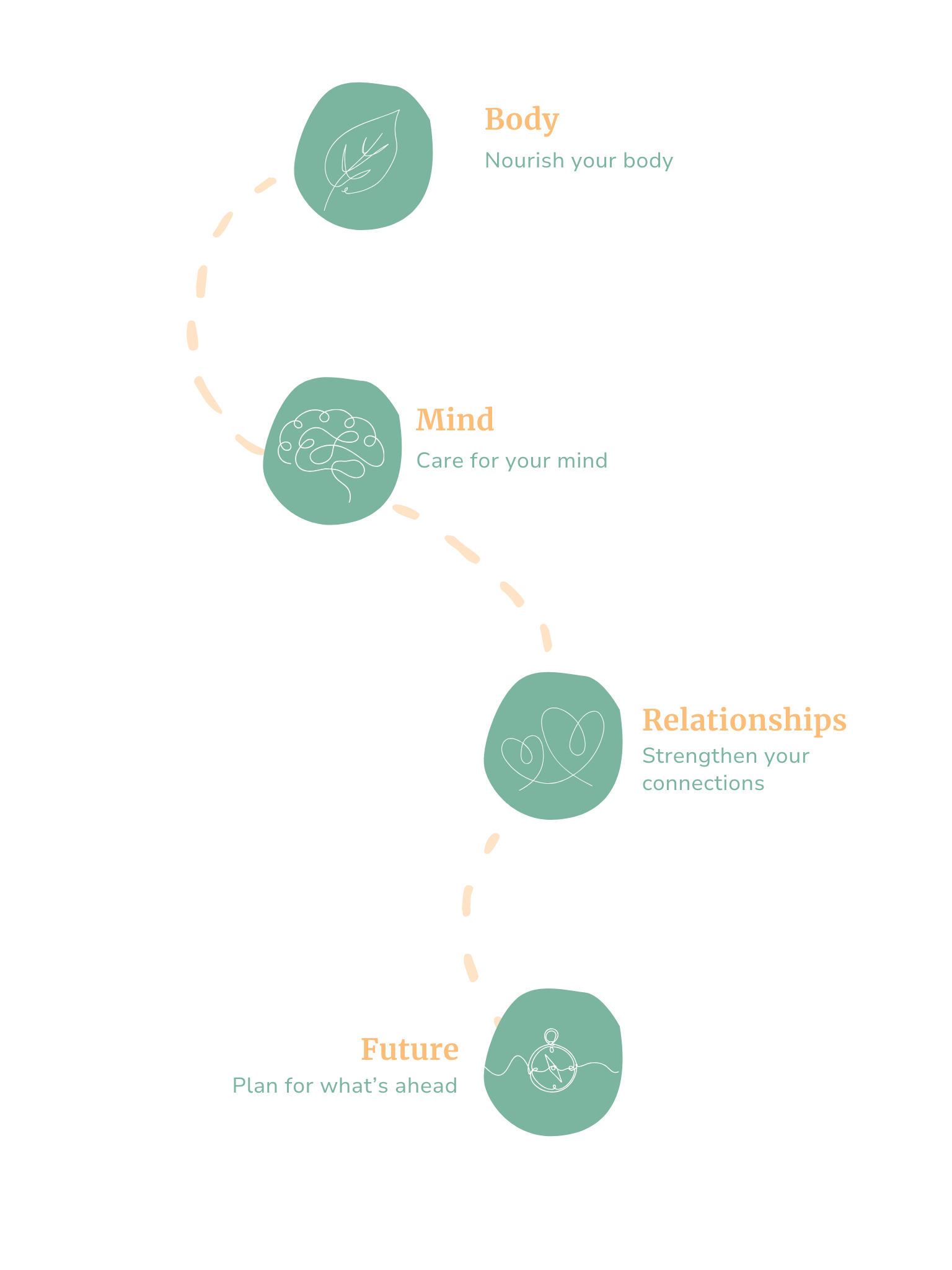

This gentle framework offers prompts and space for you to explore what thriving looks like for you - in body, mind, relationships, and purpose.
It’s not about setting strict rules, but about creating a guide that feels supportive and personal.

Meet Dr. Helen
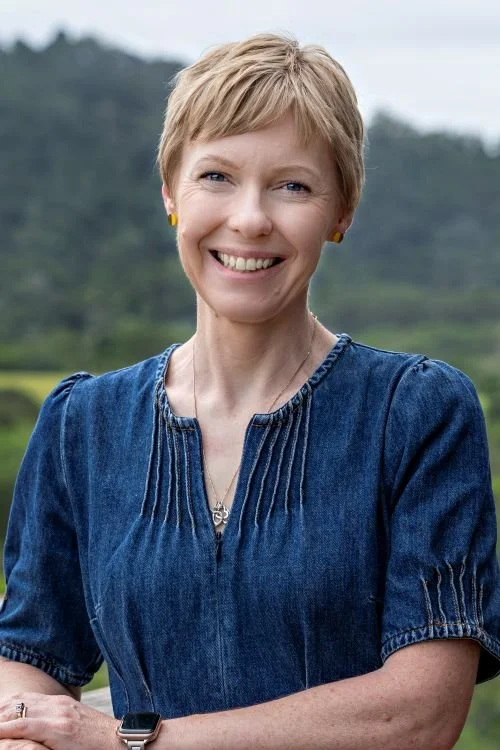
I’m Dr Helen Hobson, a GP with a special interest in cancer survivorship.
Over the years, I’ve worked alongside many people navigating life during and after cancer — listening to their stories, supporting their care, and learning from their experiences.
What I noticed is that many survivors leave treatment without clear guidance on what comes next.
That uncertainty can feel overwhelming.
I created this program to offer evidence-based information and practical resources in a way that’s compassionate, human, and accessible. My hope is that it gives you clarity, confidence, and a sense of support as you move forward.

How it works
-
![]()
Online & flexible
Access the modules from anywhere, whenever it suits you.
-
![]()
Go at your own pace
Take your time - revisit sections as often as you need.
-
![]()
With companion support
Use the Thriving Vision Map alongside the modules to reflect on what matters most to you.
-
![]()
Created by a GP
Content is grounded in science, shared with compassion.



-
It is an educational program that provides information, guidance, and practical tools to support people after cancer treatment. The course focuses on topics such as wellbeing, lifestyle approaches, long-term health awareness, and navigating the transition after treatment. It does not provide medical advice or replace clinical care.
-
The course is generally intended for adults who have completed cancer treatment or who are living with stable cancer and are looking for structured information to help guide their recovery journey. If you are unsure whether it is right for you, please speak with your healthcare team.
-
No. The course is open to anyone and does not require a doctor–patient relationship.
-
No. The course is educational only. It does not diagnose, treat, or manage medical conditions and should be used alongside advice from your oncology and general practice team.
-
Through pre-recorded videos, downloadable worksheets, reflective exercises, and optional tools to help you apply the content in everyday life.
-
It is common to experience physical, emotional, and social changes after treatment. Survivorship education helps people understand these experiences and supports long-term wellbeing. This information is general in nature and should complement, not replace, clinical care.
-
You can begin at any stage, and you can go slowly if needed. The course is self-paced and designed to accommodate different energy levels.

FAQs
About the Life After Cancer Course
Waitlist & Enrolment Questions
-
You’ll receive updates and early information about the course launch. There is no obligation to enrol.
-
No — it’s free.
Clinical & Consultation Questions
-
Yes. I provide general practice and cancer survivorship consultations in person and via telehealth within Australia, where appropriate. International sessions are limited to general educational discussions only, due to medico-legal requirements.
-
Consultations typically involve discussing your health concerns, reviewing symptoms or late effects, exploring lifestyle approaches that may support wellbeing, and developing a management plan tailored to your needs — always within general practice scope and aligned with current evidence.
-
Yes. Many people access supportive care during treatment. Your oncology team remains responsible for your cancer treatment decisions, and consultations with me focus on general health and wellbeing.
Scope & Accessibility
-
You can progress at your own pace. Most modules can be completed in under one hour, with optional exercises if you wish to explore topics in more depth.
-
No special equipment is required.
-
Some content may be relevant, particularly around wellbeing, lifestyle, and emotional health. However, individual circumstances vary greatly. Please speak with your oncology team if you are unsure whether this type of educational program is appropriate for you.
-
No. The course provides general information only and cannot give personalised medical, therapeutic, or treatment advice. Personalised advice requires a clinical consultation.
-
Yes, flexible options are available through the course platform.
-
I aim to support accessibility where possible. Please reach out to discuss your situation if cost is a barrier.

Ready to begin at your own pace?
Join the waitlist today and be the first to know when the program opens.
You’ll receive gentle updates and early access, so you can start when the timing feels right for you.